
A gas furnace can appear to work perfectly during mild weather and still develop a problem when it begins running more frequently during winter. Dirty components, worn electrical parts, ignition issues, restricted airflow, or venting concerns may go unnoticed until the system is under greater demand.
For most homeowners, a gas furnace should receive professional maintenance at least once a year, ideally in the fall before the heating season begins. Routine service can help identify developing problems, support safe operation, and reduce the risk of unexpected breakdowns. However, no maintenance visit can guarantee that a furnace will never fail during winter. Scheduling preventive heating maintenance is a practical way to prepare your McLean, VA, home before colder temperatures arrive.
How Often Should a Gas Furnace Be Serviced?
Most residential gas furnaces should be inspected and serviced annually, subject to the manufacturer’s maintenance instructions. Scheduling the appointment before winter gives a technician an opportunity to evaluate the equipment before it begins operating regularly during cold weather.
An annual appointment is different from waiting until the furnace stops heating. Preventive maintenance looks for developing issues, checks important safety and operating components, and helps identify repairs that may be worth addressing before the system is needed every day.
If your furnace has a history of recurring problems, unusual noises, frequent shutdowns, or other warning signs, it may need attention sooner than its next scheduled maintenance appointment. Follow the equipment manufacturer’s recommendations for any additional service requirements.
Why Is Fall the Best Time to Schedule Furnace Maintenance in McLean, VA?
Fall is a practical time to schedule furnace maintenance because it gives you an opportunity to address problems before the coldest part of the year. A furnace that has been idle or used only occasionally during warmer months may reveal an issue when it starts running more consistently.
Booking early can also give you more flexibility to arrange repairs if the technician identifies a worn component, ignition concern, venting problem, or another condition that needs attention. Waiting until the first major cold spell means you may discover a problem at the same time many other homeowners are requesting heating service.
Annual maintenance is not limited to fall, and an inspection is still worthwhile if you missed the ideal window. The important thing is to have the furnace evaluated rather than leaving it unserviced for several heating seasons.
What Does a Professional Gas Furnace Tune-Up Include?
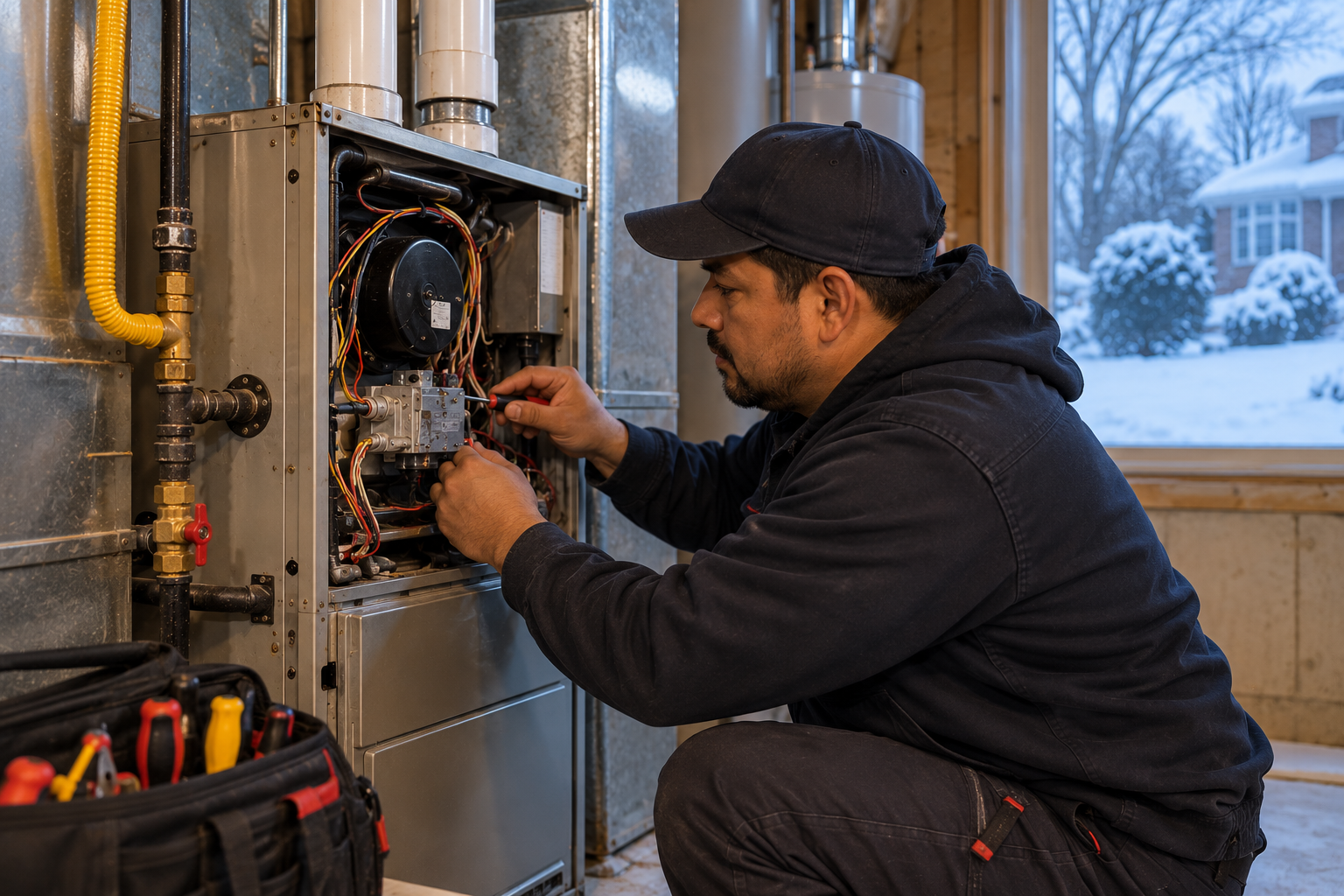
A furnace tune-up should be appropriate for the make, model, condition, and type of equipment in your home. The technician may inspect or service the burners, ignition components, flame-sensing system, blower assembly, electrical connections, thermostat operation, safety controls, and other parts involved in normal heating operation.
A professional visit may also include inspecting the heat exchanger and exhaust venting, checking for signs of combustion or venting problems, and confirming that the furnace starts, operates, and shuts down as intended. High-efficiency condensing furnaces may require additional attention to the condensate drain and related components.
The purpose is not simply to clean the visible parts of the furnace. A proper service visit should help determine whether the system is operating as expected and whether anything needs repair before winter demand increases. Ask your technician what the maintenance appointment covers for your specific furnace.
Can Annual Furnace Maintenance Prevent Winter Breakdowns?
Annual maintenance can reduce avoidable problems by giving a technician a chance to identify issues before they turn into a complete loss of heat. For example, a worn ignition component, loose electrical connection, obstructed condensate drain, or neglected filter may affect operation if left unaddressed.
Maintenance cannot prevent every breakdown because components can fail unexpectedly, including parts that appeared to be operating normally during an earlier visit. Its value is in identifying known problems, checking critical equipment, and addressing warning signs before they worsen.
A useful way to think about furnace maintenance is that it helps manage risk rather than eliminate it. Combining annual service with basic attention to filters and early warning signs gives homeowners a better chance of finding problems before the furnace stops heating.
How Often Should I Check or Replace My Furnace Filter?
Check your furnace filter about once a month during periods of regular use, and replace or clean it as needed according to the filter and furnace manufacturer’s instructions. The correct replacement interval depends on the filter type, household dust, pets, system usage, and other conditions inside the home.
A clogged filter can restrict airflow and make the furnace work harder to move air. In some systems, severe airflow restrictions may contribute to overheating and cause a safety control to interrupt heating operation.
Filter care is a simple task homeowners can often handle themselves, but it does not replace professional maintenance. Even with a clean filter, the furnace may have ignition, electrical, venting, blower, or other problems that require an experienced technician.
What Furnace Problems Should I Address Before Winter?
Unusual noises, repeated shutdowns, inconsistent heating, trouble starting, or a furnace that struggles to maintain the thermostat setting are all reasons to schedule an inspection before winter demand increases. These symptoms do not point to one specific failure, but they can indicate that something needs attention.
Also pay attention to warning lights or fault codes displayed by the furnace, if your model has them. Record the code or take a photo of the display without removing panels or attempting internal repairs. That information can help the technician understand what the system has been reporting.
If you smell gas or a rotten-egg odor, do not continue troubleshooting the furnace or operate electrical switches in the affected area. Leave the building and contact your gas utility or emergency services from a safe location.
Can an Older Gas Furnace Be More Likely to Break Down?
Age alone does not prove that a furnace is about to fail, but an older system may have more wear on motors, ignition components, electrical parts, and other equipment. A furnace with repeated repairs or a history of unreliable operation deserves a closer look before winter begins.
During maintenance, ask the technician about the condition of important components and whether any concerns deserve attention now. It can be useful to understand which findings are routine maintenance items, which require repair, and which suggest that the system may be nearing the end of its service life.
Replacing a furnace is not automatically necessary because of its age. The decision should consider its condition, safety, performance, repair history, and expected future costs rather than relying on one factor alone.
Does a New Gas Furnace Still Need Annual Service?
Yes. A newer furnace should still receive maintenance according to its manufacturer’s instructions, generally on an annual schedule. New equipment can still develop problems, and regular service helps keep the system inspected as it accumulates operating hours.
Maintenance can also help homeowners identify installation-related or operating concerns before they become persistent issues. Keep the equipment manual and service records so you can track inspections, repairs, filter requirements, and any maintenance conditions specified by the manufacturer.
If the furnace is under warranty, check the warranty terms and required maintenance instructions. Keeping documented service records can help you show that the equipment has received appropriate care.
What Can I Do Between Professional Furnace Service Visits?
Between tune-ups, check the air filter regularly, keep the furnace area clear according to the manufacturer’s instructions, and avoid blocking return-air openings. Make sure the thermostat has working batteries if applicable, and pay attention to changes in starting, operating noise, or heating performance.
Homeowners should not attempt to adjust gas pressure, dismantle burners, bypass safety switches, or open sealed combustion components. Gas appliances involve combustion, exhaust, and electrical systems that should be handled by qualified professionals.
If you notice a new problem, arrange service rather than waiting for the annual appointment. A tune-up is preventive maintenance, not a reason to ignore symptoms that develop later in the season.
How Does a Technician Know Whether a Furnace Is Ready for Winter?
A technician evaluates the furnace’s condition and operating sequence rather than relying only on whether warm air comes from the vents. Depending on the equipment, the visit may involve inspecting ignition and burner operation, checking electrical connections, evaluating safety controls, reviewing venting, and testing relevant operating functions.
The technician may also identify parts that are worn, signs of overheating, unusual cycling, or other conditions that deserve follow-up. If a concern is discovered, the technician can explain whether it needs immediate repair, routine attention, or further diagnosis.
The goal is to give you a clearer picture of the furnace’s current condition before cold weather places more consistent demand on it.
When Should I Schedule Furnace Repair Instead of Routine Maintenance?
Routine maintenance is appropriate when the furnace is operating normally and you are arranging a preventive inspection. If the system is failing to start, shutting down repeatedly, producing insufficient heat, or showing another persistent symptom, schedule a repair evaluation rather than treating it as an ordinary tune-up.
Some symptoms can indicate conditions that affect safe operation, so do not assume that every problem can wait until a convenient seasonal appointment. Winds of Valley provides heating repair services for homeowners who need help diagnosing a furnace that is not working as expected.
If you lose heat during cold weather or experience another urgent heating problem, emergency HVAC services may be appropriate.
Looking for Gas Furnace Maintenance in McLean, VA?
If you want to reduce the likelihood of a winter furnace breakdown, schedule professional service before your system enters its busiest season. An annual inspection, regular filter checks, and early attention to unusual operating behavior can help you address known problems before they become more disruptive.
Winds of Valley provides residential heating services throughout Northern Virginia. Whether your gas furnace needs preventive maintenance or you have noticed a possible performance problem, a professional evaluation can help you understand what the equipment needs before winter arrives.
Schedule Furnace Maintenance in McLean, VA
A furnace that receives routine maintenance is better prepared for the demands of the heating season, although no tune-up can eliminate every possibility of equipment failure. Scheduling service in the fall gives you time to address developing issues and prepare your home’s heating system before colder weather sets in.
Winds of Valley offers heating services for Northern Virginia homeowners. If your gas furnace is due for its annual inspection, contact Winds of Valley to ask about scheduling heating service in McLean, VA.
Frequently Asked Questions About Gas Furnace Maintenance
Is one furnace tune-up per year enough?
For most residential gas furnaces, professional maintenance at least once a year is the usual recommendation. Follow the manufacturer’s instructions, and schedule additional service when the system develops a problem or a technician identifies a specific need.
When should I have my furnace serviced before winter?
Fall is generally the best time to schedule a furnace inspection because it allows time to address problems before the heating system is used more heavily. If you missed the fall window, arrange maintenance as soon as practical.
Does furnace maintenance guarantee that my heat will not go out?
No. Maintenance can identify developing issues and reduce avoidable failures, but it cannot guarantee that every component will keep working throughout winter. Unexpected failures can still happen.
How often should I check my furnace filter?
Check the filter about once a month during regular use and clean or replace it as indicated by the filter type, the manufacturer’s directions, and how quickly it becomes dirty.
Should I schedule repair if my furnace makes a new noise?
Yes, a new or persistent unusual noise is a reason to arrange an evaluation, especially if it is accompanied by shutdowns, poor heating, or changes in system operation. The sound alone is not enough to identify the cause.
Can I service a gas furnace myself?
Homeowners can usually perform basic tasks such as checking or replacing an accessible filter according to the manufacturer’s directions. Inspection of gas, combustion, venting, electrical, and internal safety components should be left to a qualified technician.
Who provides furnace maintenance in McLean, VA?
Winds of Valley provides heating services throughout Northern Virginia. Contact the company to ask about annual gas furnace maintenance or repair if your equipment is showing signs of trouble.
Contact Us Today! Get in touch with us for expert service and support—fill out the form, and we’ll reach out soon!