
Heating and cooling your home requires equipment that can handle changing temperatures throughout the year. During warmer months, you need reliable cooling. When temperatures fall, the system has to keep indoor spaces comfortable through colder weather.
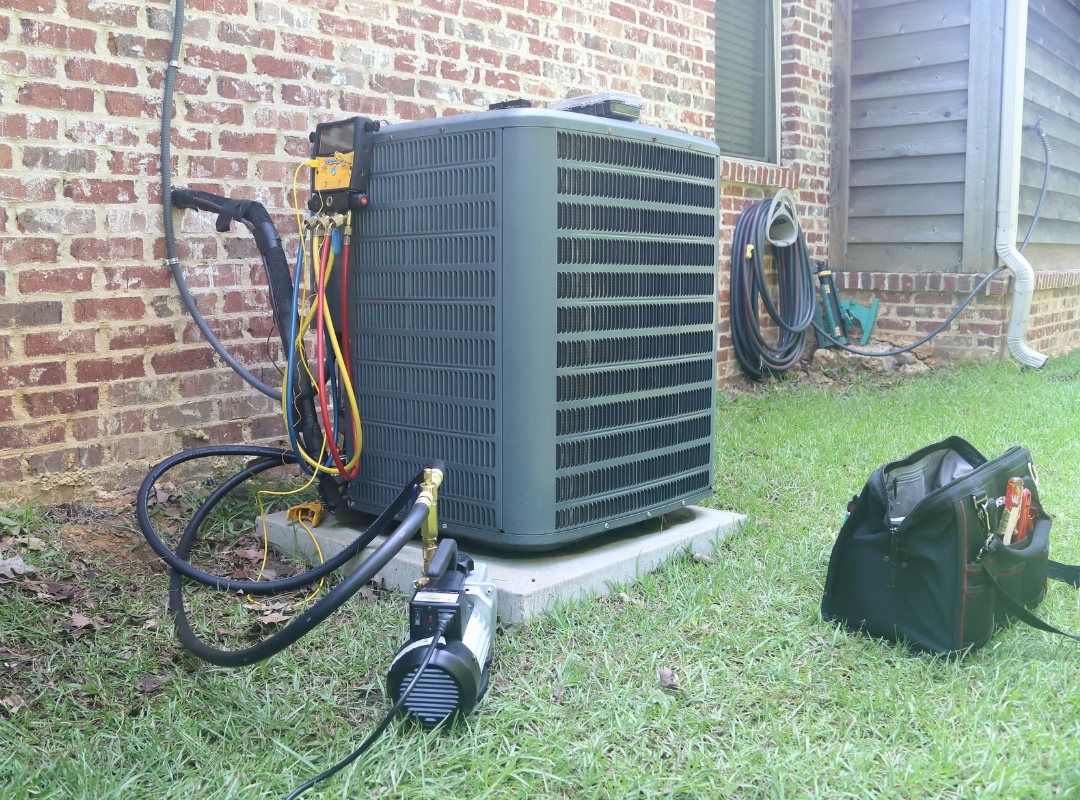
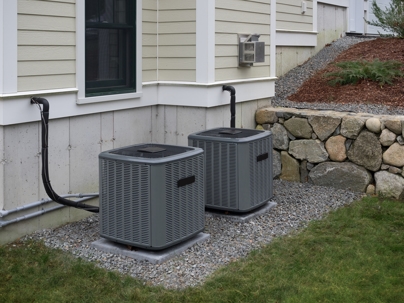
A heat pump installation in Falls Church, VA can provide both heating and cooling through a single HVAC system.
Choosing a new heat pump involves more than selecting a piece of equipment. Home size, existing HVAC components, installation requirements, equipment efficiency, airflow, and comfort preferences can all influence the decision.
This guide explains how heat pumps work, when to consider installing one, what affects system selection, what happens during installation, and what to ask before moving forward.
Why Consider a Heat Pump in Falls Church?
Falls Church and the surrounding Northern Virginia area experience warm summers as well as colder winter conditions.
That means local HVAC systems need to handle both cooling and heating throughout the year.
A heat pump is designed to do both.
During warmer weather, the system transfers heat out of the house to provide cooling. When colder weather arrives, the process reverses to provide heat indoors.
If you are replacing aging HVAC equipment or considering a different heating and cooling setup, Winds of Valley’s heat pump services provide more information about available heat pump solutions.
Whether a heat pump makes sense depends on your existing equipment, the property itself, comfort needs, budget, and installation requirements.
When Should You Consider a New Heat Pump?
There is no single symptom that automatically means an HVAC system needs replacement.
However, it may be time to explore a new heat pump when existing equipment becomes less reliable or starts requiring frequent attention.
Some reasons to consider installation include:
- Aging heating or cooling equipment
- Recurring HVAC repairs
- Difficulty maintaining comfortable temperatures
- Inconsistent heating or cooling
- Weak or uneven airflow
- Plans to replace major HVAC equipment
- Interest in combining heating and cooling into one system
Older equipment does not necessarily need immediate replacement.
A professional evaluation can help determine the condition of your current system and whether repair or replacement is the more appropriate option.
Choosing the Right Heat Pump
Heat pumps are available in different sizes, configurations, and efficiency levels.
The appropriate system depends on the property and its heating and cooling requirements.
Several factors should be considered before installation.
Home Size and Layout
The size and layout of the property affect heating and cooling demand.
Equipment should be selected according to those requirements rather than simply choosing a larger system.
Existing HVAC Equipment
Your current HVAC configuration can affect the installation process.
Indoor and outdoor equipment, electrical connections, thermostat controls, ductwork, refrigerant lines, and other components may need to be evaluated before a new system is installed.
Ductwork
If the property already has ductwork, its condition and configuration should be considered.
New HVAC equipment still depends on proper airflow to distribute conditioned air throughout the building.
Comfort Needs
Pay attention to existing comfort concerns.
Rooms that regularly feel too warm or too cold, weak airflow, temperature differences between floors, or other recurring issues are worth mentioning during the initial evaluation.
Equipment Efficiency
Heat pumps come with different efficiency ratings and features.
Rather than focusing on one specification, ask how the available systems compare and what those differences mean for your particular property.
Proper Heat Pump Sizing Matters
Bigger HVAC equipment does not automatically provide better heating or cooling.
A heat pump should be appropriately sized for the building’s heating and cooling requirements.
Equipment that does not match those needs may struggle to provide the comfort and operation expected from the new system.
Several factors can influence system sizing, including:
- Square footage
- Property layout
- Insulation
- Windows
- Existing ductwork
- Airflow
- Outdoor conditions
- Heating and cooling demand
Ask how the recommended system size was determined before moving forward with an installation.
What Happens During Heat Pump Installation?
The exact process depends on the existing HVAC setup and the equipment being installed.
Replacing an existing heat pump may involve different work than converting from another type of heating and cooling system.
Generally, installation begins with an evaluation of the current equipment and the work required for the new system.
The project may involve:
- Removing existing equipment
- Positioning the new indoor and outdoor components
- Making electrical connections
- Connecting refrigerant lines
- Connecting or modifying ductwork
- Installing compatible controls
- Checking drainage
- Testing airflow
- Testing heating and cooling operation
Additional work may be necessary if the existing electrical system or ductwork requires modification.
For more information about replacement projects, see Winds of Valley’s heat pump replacement and installation services.
Don’t Ignore Existing Ductwork
New heating and cooling equipment is only one part of an HVAC system.
Conditioned air still needs to move effectively throughout the property.
Existing airflow problems do not necessarily disappear when new equipment is installed.
Before installation, mention problems such as:
- Weak airflow from certain vents
- Rooms that consistently feel warmer or colder
- Damaged or disconnected ductwork
- Poor airflow in certain areas
- Return-air concerns
If a ductwork or airflow problem is present, the HVAC technician can determine whether additional work should be considered as part of the project.
Consider the Thermostat and Controls
The thermostat tells the heat pump when heating or cooling is needed.
When installing new equipment, confirm whether the existing thermostat is compatible with the new system.
In some situations, upgrading the controls may also provide additional scheduling or temperature-management options.
A programmable or smart thermostat can make it easier to establish different temperature settings based on when the property is occupied.
The appropriate controls depend on the heat pump and the features you want to use.
Look Beyond the Efficiency Rating
Efficiency is an important consideration when comparing heat pumps, but it is only one part of the decision.
Actual heating and cooling costs can be influenced by:
- Outdoor temperatures
- Thermostat settings
- Property size
- Insulation
- Equipment efficiency
- Equipment condition
- Airflow
- Household usage
- Installation quality
Ask the HVAC contractor to explain the differences between available systems and how those differences apply to your needs.
This provides more useful information than choosing equipment based only on one efficiency number.
Ask Questions Before Installation
A new heat pump is a significant HVAC project, so it is worth understanding exactly what is being recommended.
Consider asking:
What heat pump do you recommend?
Ask why the particular system is appropriate for the property and its heating and cooling requirements.
How was the equipment size determined?
The contractor should be able to explain why the recommended capacity is suitable.
Can the existing ductwork be used?
Ask whether the ductwork and airflow have been evaluated and whether modifications are recommended.
Is the current thermostat compatible?
Confirm whether existing controls can operate the new system correctly.
What does the estimate include?
Make sure you understand what equipment, labor, removal, modifications, and other work are included.
What warranties are available?
Warranty coverage can depend on the equipment and service involved. Confirm the terms that apply to your installation.
What maintenance will the system require?
Knowing the recommended maintenance schedule from the beginning makes future HVAC care easier to plan.
Plan for Maintenance After Installation
Installing new equipment does not eliminate the need for routine HVAC care.
Because heat pumps provide both heating and cooling, the system may operate during much of the year.
Professional maintenance provides an opportunity to inspect components, evaluate system operation, and identify conditions that may require attention.
Between professional visits, basic care can include checking filters, keeping supply and return-air openings clear, and making sure the area around outdoor equipment is reasonably free of leaves, vegetation, and debris.
Internal electrical, mechanical, and refrigerant work should be left to trained HVAC technicians.
Know When Your Heat Pump Needs Attention
Even relatively new equipment can develop a problem.
Changes in performance do not identify one specific cause, but they can indicate that the system should be inspected.
Watch for symptoms such as:
Uneven Temperatures
Certain rooms or areas may suddenly feel noticeably warmer or colder.
Weak Airflow
Air coming from the vents may feel weaker than normal.
Unusual Noises
Persistent banging, grinding, rattling, squealing, or other new sounds deserve attention.
Frequent Cycling
The system may begin turning on and off more frequently than expected.
Difficulty Maintaining Temperature
The heat pump may run but struggle to reach the thermostat setting.
Unexpected Energy Usage
A noticeable change in heating or cooling costs can sometimes accompany declining system performance.
If these problems persist, professional heat pump repair can help identify the cause.
Budgeting for Heat Pump Installation
The cost of installing a heat pump can vary depending on the equipment, existing HVAC configuration, and amount of work required.
For example, the project may become more involved if ductwork needs modification or electrical upgrades are necessary.
When comparing estimates, look at what is included rather than comparing only the final price.
Ask about:
- Equipment being installed
- Labor
- Removal of existing equipment
- Electrical work
- Ductwork modifications
- Thermostat or controls
- Warranty coverage
- Other installation requirements
Winds of Valley also offers flexible financing options for qualifying customers who prefer to spread the cost of eligible HVAC work over time.
Ask about current terms, eligibility requirements, and available options before making a financing decision.
What to Expect From Winds of Valley
Choosing an HVAC provider involves more than selecting the equipment itself.
Installation quality, communication, ongoing service, maintenance, warranty information, and access to repairs can all matter over the life of the system.
Winds of Valley provides heat pump and other HVAC services throughout Northern Virginia, including Falls Church.
Same-Day Services
Heating and cooling problems do not always occur at convenient times.
Winds of Valley provides same-day services and works to address HVAC problems as quickly as possible.
Ask about current availability when scheduling.
Licensed and Insured Technicians
Winds of Valley’s technicians are licensed and insured to perform HVAC work.
Heating and Cooling Warranties
Warranty coverage may be available depending on the equipment and service.
Ask the Winds of Valley team to find out more about available heating and cooling warranties.
Confirm the specific terms and coverage that apply to your installation.
Free Estimates on Select Services
Winds of Valley offers free estimates on select services.
Contact the team to determine whether your heat pump project qualifies.
Flexible Financing Options
Larger HVAC projects are not always planned household expenses.
Winds of Valley offers flexible financing options for qualifying customers.
Ask about current eligibility requirements and terms when discussing your project.
Hablamos Español
Spanish-language assistance is available when appropriate team members are available.
Contamos con personal que puede asistirle en español cuando esté disponible.
Ask about availability when contacting the team.
Prepare for Heat Pump Installation
Once the equipment and scope of work have been selected, a little preparation can make installation day easier.
Before the appointment:
- Make sure technicians can access indoor HVAC equipment
- Clear reasonable space around the outdoor unit
- Mention existing airflow or comfort problems
- Confirm what equipment will be installed
- Ask whether the thermostat will be replaced
- Review applicable warranty information
- Ask about recommended maintenance
- Keep equipment and installation documentation for future reference
After installation, pay attention to how the system heats and cools the property.
Persistent temperature, airflow, noise, or operating problems should be evaluated rather than ignored.
Schedule Heat Pump Installation in Falls Church, VA
A heat pump can provide both heating and cooling through one HVAC system, making it an option worth considering when existing equipment reaches the point of replacement.
Professional heat pump installation in Falls Church, VA should begin with an evaluation of the property, existing equipment, heating and cooling requirements, and any installation changes that may be necessary.
Winds of Valley provides heat pump services throughout Northern Virginia, including installation, replacement, repair, and maintenance.
Customers can also ask about same-day service, heating and cooling warranties, free estimates on select services, and flexible financing options.
Contact Winds of Valley to discuss your current HVAC system and available heat pump options.
Frequently Asked Questions About Heat Pump Installation in Falls Church, VA
What does a heat pump do?
A heat pump provides both heating and cooling by transferring heat from one location to another rather than creating heat in the same way as some traditional heating systems. During cooling operation, the system removes heat from inside the property and transfers it outdoors to help maintain a comfortable indoor temperature, while during heating operation, the process is reversed so that available heat is transferred indoors. Because one system can handle both heating and cooling needs, heat pumps can provide year-round indoor comfort when they are properly selected, installed, and maintained for the property.
When should I consider installing a new heat pump?
It may be worth considering a new heat pump when your existing heating or cooling equipment is getting older, requires increasingly frequent repairs, struggles to maintain consistent temperatures, or is already being considered for replacement due to its overall condition. A new heat pump may also be an option when you want to replace separate heating and cooling equipment with a system capable of providing both functions, although the best choice will depend on the property, existing HVAC setup, comfort requirements, and installation conditions.
How do I choose the right heat pump?
Choosing the right heat pump involves more than selecting a particular brand or equipment size, because the system should be matched to the specific heating and cooling needs of the property. Important factors can include the size and layout of the building, existing HVAC equipment, condition and configuration of the ductwork, available airflow, insulation, heating and cooling requirements, and the physical conditions of the installation area. An HVAC technician can evaluate these factors and recommend equipment that is appropriately suited to the property rather than relying on a general recommendation based only on square footage.
Why does heat pump sizing matter?
Heat pump sizing matters because the equipment should be matched as closely as possible to the heating and cooling requirements of the property, and choosing a larger system does not automatically mean better comfort or performance. A system that is not appropriately sized may have difficulty operating as intended, which can affect temperature consistency, cycling, humidity control, and overall comfort throughout the property. Proper sizing takes several characteristics of the building into account, which is why an HVAC professional should evaluate the property before recommending a particular system capacity.
Can existing ductwork be used?
Existing ductwork may be able to be used with a new heat pump, but its condition, size, configuration, and airflow should be evaluated before installation to determine whether it is suitable for the new equipment. Ductwork that is damaged, poorly configured, improperly sized, leaking, or unable to provide the necessary airflow may need repairs or modifications as part of the installation process. An HVAC technician can inspect the existing duct system and determine whether it can remain in place or whether changes would help the new heat pump operate properly and distribute conditioned air throughout the property.
Will I need a new thermostat?
Whether you need a new thermostat depends on the controls currently installed in the property and the specific heat pump system being added or replaced. Some existing thermostats may be compatible with the new equipment, while others may not support the controls, operating stages, or features required by the heat pump. Before installation is completed, the HVAC technician can review the existing thermostat and wiring, confirm compatibility with the selected equipment, and recommend a replacement when necessary to ensure the system can be controlled correctly.
Does a new heat pump require maintenance?
Yes, a new heat pump still requires routine maintenance even when the equipment has recently been installed, because regular service helps technicians keep track of the system’s condition and identify potential operating problems as they develop. Maintenance may include inspecting important components, checking system operation, reviewing airflow, examining electrical connections, and identifying signs of wear or other concerns that could affect performance. Keeping up with recommended maintenance also provides an opportunity to address smaller issues before they develop into problems that may require more extensive repairs.
Does Winds of Valley install heat pumps?
Yes. Winds of Valley provides heat pump installation and replacement services for property owners who need new equipment or are considering replacing an existing heating and cooling system. The installation process can include evaluating the property’s HVAC needs, reviewing the existing equipment and installation conditions, and helping determine an appropriate replacement system based on factors such as property size, layout, airflow, ductwork, and comfort requirements. Customers can learn more about the company’s heat pump installation and replacement services and contact the team to discuss the specific needs of their property.
Are financing options available?
Winds of Valley offers flexible financing options for qualifying customers who may prefer to manage the cost of a heat pump installation or other HVAC work through available financing plans rather than paying the entire project cost at once. Financing availability, approval requirements, payment terms, and other conditions can vary, so customers should review the current options and confirm eligibility directly with the company before making a decision.
Does Winds of Valley provide same-day service?
Winds of Valley offers same-day HVAC services, which may be helpful when heating or cooling problems require timely professional attention. Actual same-day availability can depend on factors such as the time of the service request, technician schedules, location, the type of HVAC problem, and the work required, so customers should ask about current availability when scheduling an appointment rather than assuming that same-day service will always be available.
Is Spanish-language assistance available?
Yes, Spanish-language assistance may be available when Spanish-speaking team members are available, making it easier for customers to discuss HVAC concerns, scheduling, service needs, and other questions in their preferred language. Availability can depend on staffing at the time of the request, so customers who would like assistance in Spanish should mention that preference when contacting the company. Contamos con personal que puede asistirle en español cuando esté disponible.
What should I look for in a heat pump installer in Falls Church?
Look for a company that evaluates the property before recommending equipment, explains sizing and installation requirements clearly, and can provide ongoing maintenance and repair after installation.
Get in touch with us for expert service and support—fill out the form, and we’ll reach out soon!