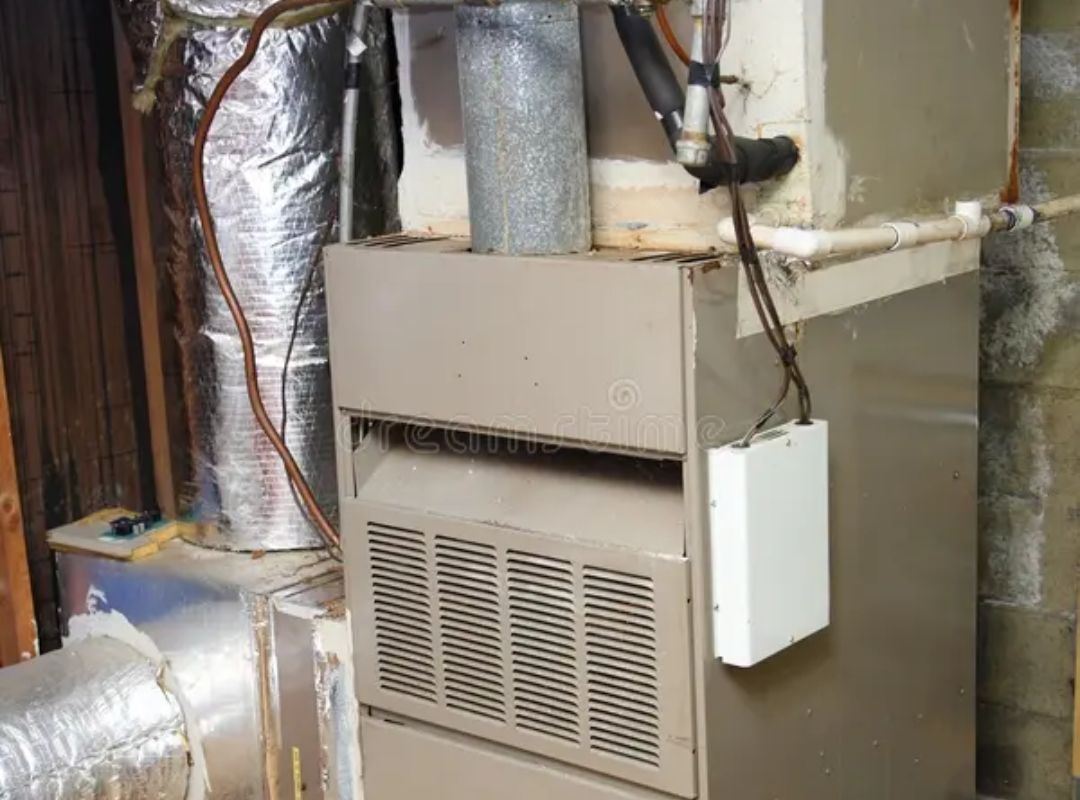

Damaged ductwork can make it difficult for a heating and cooling system to distribute conditioned air evenly throughout a home. In Springfield, VA, homeowners may notice that certain rooms feel warmer or colder than others, airflow from some vents seems weaker, or energy bills increase without an obvious change in household usage. These symptoms can indicate a ductwork problem, although other HVAC and home conditions can produce similar issues.
Air ducts carry heated and cooled air from the HVAC equipment to the rooms throughout a house. When sections become disconnected, crushed, poorly sealed, or damaged, some of that conditioned air may escape before reaching its intended destination. Leaks can also allow dust and other particles from unconditioned spaces to enter the duct system.
Identifying the source of the problem is important because replacing an air filter or adjusting the thermostat will not correct a damaged duct connection. Understanding the common warning signs can help you determine when professional ductwork repair services may be necessary.
What Are the Common Signs That Your Ductwork Needs Repair?
Ductwork problems are not always easy to identify because much of the system is concealed behind walls, ceilings, floors, and other building materials. However, changes in airflow and indoor comfort can provide useful clues.
Common warning signs include:
- Uneven room temperatures: Some rooms may remain uncomfortable even when the thermostat reaches its set temperature.
- Weak airflow from certain vents: A room may receive noticeably less conditioned air than other areas of the house.
- Unexplained increases in energy bills: Leaking or poorly connected ducts can cause the HVAC system to lose conditioned air and operate longer to meet demand.
- Excessive dust near vents: Dust buildup or particles entering through duct leaks may contribute to recurring dust around registers.
- Unusual noises: Rattling, whistling, or other sounds near accessible duct sections may indicate loose connections or airflow restrictions.
- Musty or unusual odors: Air drawn through dusty or damp spaces can sometimes contribute to unpleasant smells when the HVAC system operates.
These symptoms do not automatically confirm that the ductwork is damaged. A professional inspection can help determine whether the problem comes from the ducts, the HVAC equipment, the air filter, or another condition inside the home.
Why Does Ductwork Become Damaged?
Air ducts can develop problems over time because of age, installation conditions, building movement, physical damage, and deterioration of materials. Flexible ducts may become kinked, crushed, or disconnected, while metal duct sections can develop damaged seams or loose connections.
Poorly supported ductwork may sag or separate at its joints. Construction work, renovations, or activity in an attic or crawlspace can also damage accessible sections. In some homes, pests or other physical disturbances may contribute to deteriorating duct materials.
The original duct design can also affect performance. Undersized return ducts, poorly arranged branches, and other airflow limitations may create comfort problems even when there is no obvious leak. This is why an inspection should consider the overall duct system rather than focus only on the vent in the room where the problem is noticeable.
Can Leaky Ductwork Cause Uneven Temperatures Throughout a Home?
Yes. When conditioned air escapes through a damaged connection or opening, less of that air may reach the rooms it is intended to serve. This can contribute to uneven heating during winter and uneven cooling during summer.
For example, a bedroom may remain colder than the rest of the house because a duct serving that room has become disconnected or restricted. A damaged branch duct may also reduce airflow to an area that previously received adequate heating or cooling.
However, duct leaks are not the only possible cause of temperature differences. Insufficient insulation, air leaks around windows, closed or obstructed vents, thermostat placement, room size, and HVAC equipment performance can also influence indoor temperatures.
A technician can evaluate the duct connections, airflow, and other relevant conditions to determine whether ductwork repairs are likely to address the problem.
Can Damaged Ductwork Increase Energy Bills in Springfield, VA?
Damaged or leaking ductwork can contribute to higher heating and cooling costs because conditioned air may escape before reaching the living spaces. When the system loses air through leaks, it may need to operate longer to maintain the temperature set on the thermostat.
ENERGY STAR explains that typical homes can lose a portion of the air moving through their duct systems because of leaks, holes, and poorly connected ducts. The amount of loss varies by home and should not be treated as a fixed estimate for every property.
Leaky ducts may be particularly concerning when they run through unconditioned spaces such as attics, crawlspaces, garages, or unfinished basements. Air lost in these locations does not provide the intended comfort inside the home.
Sealing leaks, repairing damaged sections, and insulating appropriate ductwork can improve the distribution of conditioned air. A technician should first identify the actual source of the loss rather than assume that every increase in energy usage is caused by ductwork.
Can Ductwork Problems Cause Dust and Unpleasant Odors?
They can contribute to these problems, depending on where the damage is located and what is present around the duct system. A leak in ductwork running through a dusty attic or crawlspace may allow unwanted particles to enter the air distribution system under certain operating conditions.
Damaged insulation, accumulated debris, or moisture around accessible duct sections may also contribute to indoor air concerns. However, visible dust around vents does not automatically mean that the ducts are leaking. Household dust can come from outdoor air, occupants, pets, textiles, and other indoor sources.
Unpleasant odors can have several possible causes, including moisture, contaminated materials, or an issue with the HVAC equipment itself. A professional inspection can help distinguish a duct leak or damaged section from a separate air-quality or mechanical concern.
How Do HVAC Technicians Inspect Ductwork?
A proper ductwork assessment should consider the condition and performance of the entire accessible duct system. Inspecting only the vent in the room with poor airflow may overlook a disconnected branch, damaged main duct, or restriction elsewhere in the system.
Depending on the home’s layout and the problem being investigated, a technician may:
- Examine accessible duct sections for holes, loose connections, crushed areas, and visible deterioration.
- Inspect joints, seams, and connections near the HVAC equipment and registers.
- Look for disconnected or poorly supported flexible ducts.
- Evaluate airflow at supply registers and return grilles.
- Check for restrictions or design conditions that may affect air distribution.
- Assess insulation on ducts located in unconditioned areas.
Additional testing may be appropriate when the source of an air leak or airflow imbalance is not visually apparent. ENERGY STAR recommends looking at the entire duct system, including areas such as attics and crawlspaces, and evaluating supply and return airflow when planning duct improvements.
The findings help determine whether the system needs localized sealing, a section replacement, improved support, insulation work, or a more extensive correction.
What Happens During Professional Ductwork Repair?
The repair process depends on the location and extent of the damage. A loose connection may need to be secured and sealed, while a crushed or deteriorated section may require replacement.
For accessible ductwork, repair work may involve:
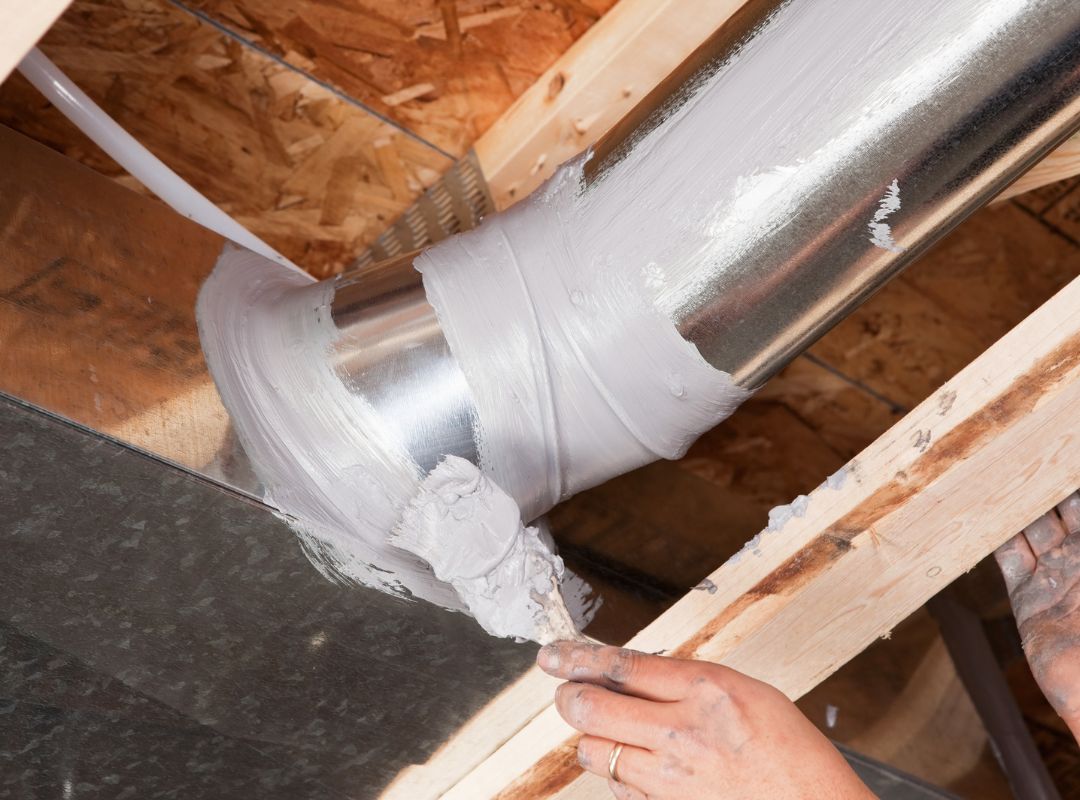
- Sealing leaking joints: Appropriate duct sealants or approved metal-backed tape can be used to close suitable gaps and connections.
- Repairing damaged sections: Torn, punctured, or badly deteriorated duct sections may need to be replaced.
- Correcting flexible duct restrictions: Kinked or crushed flexible ducts may need to be repositioned, supported, or replaced.
- Improving duct insulation: Ducts in unconditioned spaces may need suitable insulation to reduce unwanted heat transfer.
- Checking airflow after repairs: The system should be evaluated to determine whether the completed work has improved air distribution.
The appropriate materials and repair method depend on the duct type, location, and manufacturer’s or applicable installation requirements. Ordinary cloth-backed duct tape should not be treated as a permanent repair material for HVAC duct connections.
Should You Repair or Replace Damaged Ductwork?
Repairing a localized problem may be practical when the rest of the duct system remains in suitable condition. For example, a loose connection, small opening, or limited damaged section may be corrected without replacing the entire network of ducts.
Replacement may be more appropriate when large sections have deteriorated, multiple areas are damaged, or the existing duct layout has significant design or sizing problems. In some situations, a combination of repairs and modifications may provide a more appropriate solution than a complete replacement.
The decision should consider the age and condition of the ductwork, the accessibility of affected areas, the extent of damage, and the overall airflow requirements of the HVAC system. A technician can explain which sections need attention and whether localized work is reasonable.
Will Ductwork Repair Fix Weak Airflow From My Vents?
Ductwork repair can improve weak airflow when a leak, disconnected section, crushed duct, or other duct-related restriction is responsible for the problem. Restoring damaged connections and correcting airflow restrictions can help conditioned air reach the rooms the system is designed to serve.
However, weak airflow does not always originate in the ductwork. A clogged air filter, blower problem, closed damper, obstructed register, or equipment issue may produce similar symptoms.
Before recommending duct replacement or extensive repairs, a technician should determine where the airflow problem originates. This helps ensure that the recommended work addresses the actual cause instead of adding unnecessary changes to the system.
Is Duct Cleaning the Same as Ductwork Repair?
No. Duct cleaning and ductwork repair address different problems. Cleaning focuses on removing accumulated dust, debris, and other contaminants from appropriate parts of the duct system. Repair focuses on correcting physical damage, air leaks, disconnected sections, and airflow restrictions.
A duct system may need repair even when it does not require cleaning. Likewise, cleaning will not permanently correct a torn duct, loose connection, or crushed flexible section.
Homeowners should identify the concern before choosing a service. When there are signs of physical damage or conditioned air escaping from the system, a ductwork inspection is a more appropriate starting point than assuming cleaning alone will solve the problem.
Can You Repair Air Ducts Yourself?
Some homeowners may be able to inspect visible duct sections and identify obvious damage, but repairs involving concealed ducts, extensive connections, insulation, or system airflow are better evaluated by a qualified HVAC professional.
Using unsuitable materials or sealing the wrong areas may create additional problems. Ductwork should be repaired using materials designed for the application, and the completed system should be checked to determine whether airflow is appropriate.
Homeowners should avoid entering unsafe attic or crawlspace areas or disturbing electrical, gas, or other building components while looking for duct damage. A professional inspection is a safer option when the problem is not easily accessible.
Looking for Ductwork Repair in Springfield, VA?
If some rooms in your home are consistently uncomfortable, certain vents have weak airflow, or your energy bills have increased without an obvious explanation, damaged ductwork may be one possible cause. An inspection can help identify whether the problem involves leaking connections, crushed ducts, restricted airflow, or another HVAC condition.
Winds of Valley Heating & Cooling provides ductwork repair and other HVAC services in Northern Virginia, including Springfield. Homeowners can learn more about available ductwork repair services or explore the company’s other HVAC services.
Schedule Ductwork Repair in Springfield, VA
Ductwork problems can affect how effectively heated and cooled air reaches different parts of your home. Identifying the location and cause of the problem is an important step toward restoring more consistent airflow and indoor comfort.
Whether your ducts have become disconnected, damaged, or restricted, the appropriate repair depends on the condition of the entire system. To ask about service availability and arrange an evaluation, contact Winds of Valley Heating & Cooling.
Frequently Asked Questions About Ductwork Repair
Why is one room in my Springfield home always hotter or colder than the others?
Uneven temperatures may be caused by leaking or disconnected ductwork, restricted airflow, insulation problems, window drafts, or other conditions. An inspection can help determine whether the duct system is contributing to the temperature difference.
How can I tell if an air duct has become disconnected?
A disconnected duct may cause noticeably reduced airflow in the rooms it serves. You may also notice comfort differences, unusual noises, or conditioned air escaping near accessible duct sections. A professional inspection can confirm whether a connection has separated.
Does every duct leak need the entire duct system replaced?
No. Localized damage or a loose connection may only require a targeted repair or sealing. Replacement is more likely to be considered when multiple sections are deteriorated or the existing duct system has more extensive problems.
Can leaky ducts pull dust from an attic or crawlspace into my home?
Depending on the duct location and pressure conditions, leaks can allow air and particles from surrounding spaces to enter parts of the duct system. A professional can inspect the affected sections and determine whether sealing or other repairs are appropriate.
Will sealing my ductwork make my HVAC system quieter?
It may reduce certain noises when they are caused by loose connections, air leaks, or poorly secured duct sections. However, rattling, whistling, or other sounds can also come from equipment components or airflow restrictions, so the actual source should be identified first.
How do I know whether I need duct cleaning or duct repair?
Duct cleaning removes accumulated debris from appropriate parts of the system, while duct repair corrects physical damage, leaks, and disconnected sections. An inspection can help determine which service, if either, is appropriate for the condition of your ducts.
Who provides ductwork repair in Springfield, VA?
Winds of Valley Heating & Cooling serves Springfield and other Northern Virginia communities. Homeowners can contact the company to ask about ductwork inspection and repair availability.
Contact Us Today! Get in touch with us for expert service and support—fill out the form, and we’ll reach out soon!