
When your furnace is running during colder weather in McLean, VA, most of its important work happens out of sight. One component that deserves particular attention is the heat exchanger, which helps transfer heat while keeping the furnace’s combustion process separated from the air circulating through your home.
A cracked heat exchanger can be difficult for a homeowner to identify because many potential warning signs overlap with other furnace problems. Unusual furnace behavior, changes around the burners, repeated shutdowns, or combustion concerns may indicate that the heating system needs attention, but they do not automatically confirm that the heat exchanger is damaged.
Understanding common cracked heat exchanger symptoms can help McLean homeowners recognize when it is time to have their furnace professionally evaluated. Winds of Valley provides HVAC services in McLean, VA, including heating repair and installation for several types of furnace systems.
What Does a Furnace Heat Exchanger Do?
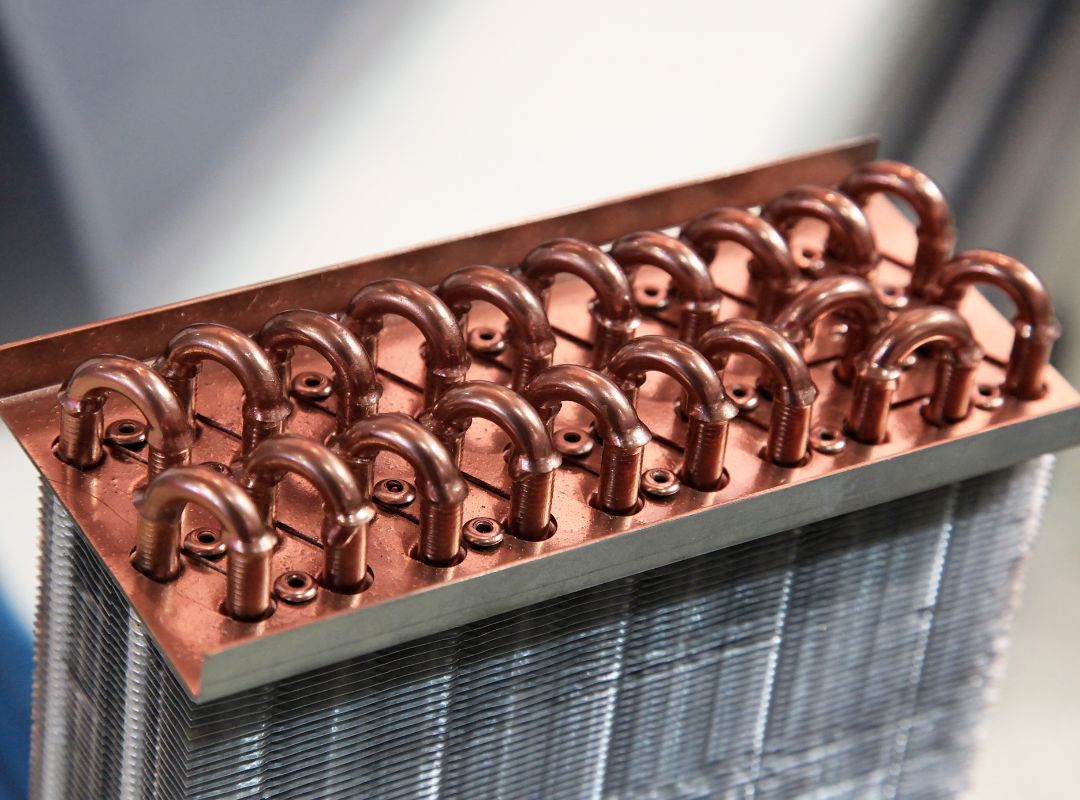
The heat exchanger is an important component inside a fuel-burning furnace. During operation, the furnace’s burners produce heat and combustion gases. The heat exchanger absorbs heat from that process while the blower moves household air across the exterior of the exchanger.
That warmed air can then travel through your home’s ductwork and supply registers. Meanwhile, combustion gases are intended to remain within their designated pathway and leave the home through the furnace’s venting system.
Because the heat exchanger is repeatedly exposed to high temperatures, it expands when the furnace heats and contracts as the equipment cools. This process happens over and over throughout each heating season.
Over time, age, operating conditions, corrosion, overheating, and other factors may contribute to deterioration. That is why the condition of the heat exchanger can become an important part of diagnosing an older furnace or one that is experiencing performance problems.
What Is a Cracked Heat Exchanger?
A cracked heat exchanger means that the metal component has developed a fracture, opening, split, or another form of damage. The location and appearance of the damage can vary considerably depending on the furnace and heat exchanger design.
Heat exchanger damage deserves professional attention because the component is part of the furnace’s combustion system. However, homeowners should avoid assuming that every unusual furnace symptom means the exchanger has cracked.
Some furnace problems can produce similar warning signs. Proper diagnosis may involve inspecting the heat exchanger along with the burners, airflow, venting, safety controls, and other parts of the heating system.
What Can Cause a Heat Exchanger to Crack?
Heat exchangers operate under demanding conditions. During every heating cycle, the metal becomes hot and expands. When the furnace turns off, the component cools and contracts. After years of operation, this repeated thermal cycling can contribute to wear.
Age is not the only consideration. Furnace operating conditions can also affect the amount of stress placed on components. Restricted airflow, for example, can contribute to excessive furnace temperatures under certain conditions.
A heavily restricted filter, blower problem, blocked airflow, or another HVAC issue can interfere with the movement of air through the system. These conditions do not automatically mean a heat exchanger will crack, but abnormal furnace temperatures should be investigated.
Corrosion or other deterioration may also affect heat exchanger condition. When damage is discovered, evaluating the furnace as a complete system can help determine whether another problem contributed to the failure.
What Are the Most Common Cracked Heat Exchanger Symptoms?
There is no single symptom a homeowner can use to reliably diagnose heat exchanger damage. Instead, several potential cracked heat exchanger symptoms can indicate that the furnace should be professionally evaluated.
Possible warning signs can include unusual burner behavior, combustion-related residue, repeated furnace shutdowns, visible deterioration, unusual odors, or carbon monoxide concerns. The challenge is that many of these symptoms can also result from problems elsewhere in the heating system.
Rather than attempting to diagnose the exchanger yourself, pay attention to changes in how the furnace starts, operates, and heats your McLean home. Those observations can provide useful information when you schedule professional furnace service.
Unusual Furnace or Combustion Odors
A new or persistent odor around a furnace is a reason to pay attention. Depending on the type of smell and when it occurs, possible causes can include dust, electrical components, overheating, combustion problems, or other conditions.
An unusual odor alone does not confirm a cracked heat exchanger. However, a significant change in how your furnace smells while operating should not simply be ignored.
Avoid removing furnace panels or attempting to access combustion components to identify the source yourself. If the odor is persistent or concerning, have the heating system professionally evaluated.
Changes in Burner Flame Behavior
Burner operation can provide HVAC technicians with information about combustion conditions inside a furnace. Certain changes in the flame or its behavior may prompt further investigation of the heat exchanger, burners, airflow, or venting system.
However, flame appearance can be influenced by several factors. A change in burner behavior therefore does not automatically mean that the heat exchanger has cracked.
If your furnace has a manufacturer-provided viewing area, you can mention any obvious changes you notice to your HVAC technician. Do not remove furnace panels or attempt to adjust burners or combustion components yourself.
Soot or Other Signs of Combustion Problems
Visible soot or unusual residue around appropriate furnace areas may indicate that combustion is not occurring as expected. Burner conditions, fuel supply, venting, and other furnace problems can potentially contribute.
Soot is not proof of a cracked heat exchanger, but it is a reason to have the heating system inspected. Combustion problems require appropriate diagnostic procedures rather than assumptions based on one visible symptom.
If you notice unusual residue around your furnace, describe what you have seen when arranging professional service.
Frequent Furnace Shutdowns or Overheating
A furnace that repeatedly starts and stops can be experiencing a variety of problems. Thermostat issues, airflow restrictions, dirty filters, blower problems, safety controls, and overheating can all contribute to unusual cycling.
Overheating is particularly important to investigate because excessive temperatures can place additional stress on furnace components. A furnace may shut down when a safety control detects an abnormal operating condition.
Replacing or resetting a safety control without determining why it activated may not address the underlying problem. A professional furnace evaluation can help determine whether airflow, the heat exchanger, or another component is involved.
Visible Corrosion or Deterioration
Visible corrosion around your furnace is another condition worth discussing with an HVAC technician. Moisture, venting conditions, age, combustion byproducts, and other factors can contribute to deterioration.
Much of a furnace heat exchanger may not be easily visible to a homeowner, so the exterior appearance of the furnace does not necessarily tell you what condition the exchanger is in.
If your heating equipment has visible deterioration, a history of repairs, or significant changes in operation, an inspection can provide a clearer understanding of its condition.
Carbon Monoxide Alarm Activation
A carbon monoxide alarm should always be taken seriously. Carbon monoxide can be associated with fuel-burning appliances and combustion or venting problems, and there may be more than one potential source inside a home.
A damaged heat exchanger is one condition an HVAC professional may consider when evaluating a furnace, but it is not the only possible explanation for carbon monoxide in a home.
If a carbon monoxide alarm activates in your McLean home, follow the alarm manufacturer’s instructions and appropriate emergency guidance rather than trying to diagnose the furnace yourself. Immediate safety should come before determining which appliance or condition caused the alarm.
Can a Cracked Heat Exchanger Cause Carbon Monoxide Problems?
A damaged heat exchanger can create concerns because the component is designed to help maintain separation between the furnace’s combustion process and the household air being heated.
However, furnace operation is more complicated than simply assuming that every crack automatically produces a particular indoor carbon monoxide reading. Combustion conditions, pressure, venting, burner operation, and the location and nature of the damage can all be relevant.
Carbon monoxide problems can also originate from other fuel-burning appliances or venting conditions. Professional evaluation is therefore important when a combustion or carbon monoxide concern exists.
What Should You Do If You Notice Signs of a Cracked Heat Exchanger?
If you notice possible signs of cracked heat exchanger problems, avoid opening the furnace or attempting to inspect internal combustion components yourself. Instead, take note of the symptoms you have observed.
For example, write down whether the furnace is shutting down frequently, making unusual noises, producing unfamiliar odors, or struggling to heat your home. If you can identify when the problem occurs during a heating cycle without accessing the equipment, that information can also be useful.
If a carbon monoxide alarm has activated or another immediate safety concern exists, follow appropriate emergency and manufacturer instructions. For other furnace performance problems, schedule a professional evaluation and explain the symptoms when requesting service.
Winds of Valley provides furnace repair services in McLean and other Northern Virginia communities.
How Does a Technician Check for a Cracked Heat Exchanger?
Checking a furnace heat exchanger involves more than looking at the exterior of the heating system. The appropriate inspection procedure depends on furnace design, accessibility, equipment condition, and the symptoms being investigated.
A technician may inspect accessible areas of the heat exchanger while also evaluating burner operation, furnace temperatures, airflow, venting, safety controls, and other relevant conditions. Additional diagnostic procedures may be appropriate depending on what is found.
The purpose of the evaluation is to determine whether damage actually exists rather than replacing components based only on symptoms that could have several causes.
If a technician identifies a crack or another form of significant deterioration, ask for an explanation of where the damage is located and how it affects the furnace. Photographs or other documentation may also help you better understand the diagnosis.
Can a Cracked Heat Exchanger Be Repaired?
What happens after heat exchanger damage is confirmed depends on the furnace design, type and location of the damage, manufacturer requirements, availability of appropriate replacement components, and overall condition of the equipment.
In some situations, replacement of the heat exchanger may be an option. In others, replacing the furnace may be considered.
This decision should be based on the actual condition of the heating system rather than assuming that every cracked heat exchanger automatically requires the same solution.
An HVAC professional can explain the available options after inspecting the equipment and confirming the problem.
Does a Cracked Heat Exchanger Mean You Need a New Furnace?
Not necessarily. Although heat exchanger damage is an important problem, deciding between component replacement and furnace replacement involves several considerations.
The furnace’s age, condition, repair history, availability of replacement parts, cost and scope of repairs, efficiency, and other existing problems can all influence the decision.
An older furnace also does not automatically need replacement simply because of its age. What matters is how the equipment’s overall condition compares with the cost and practicality of repairing it.
If furnace replacement becomes appropriate, Winds of Valley provides furnace installation and replacement services throughout McLean and other Northern Virginia communities.
Can Furnace Maintenance Help Identify Heat Exchanger Problems?
Routine maintenance cannot guarantee that a furnace heat exchanger will never develop damage. Components can deteriorate with age and use even when equipment receives regular professional service.
Maintenance does, however, provide an opportunity for a technician to evaluate furnace operation and inspect appropriate components. Airflow conditions, filters, burners, safety controls, and other areas can be checked for problems that may need attention.
If your furnace already has a specific symptom, such as repeated shutdowns, unusual combustion behavior, or a persistent unfamiliar odor, describe the problem when scheduling your appointment rather than assuming routine maintenance alone will address it.
Homeowners can learn more about Winds of Valley’s HVAC maintenance services.
Looking for HVAC Repair Service Near Me in McLean, VA?
If you are searching for an HVAC repair service near me in McLean, VA because your furnace is behaving unusually, describing the symptoms clearly can help when scheduling service.
Tell the HVAC company whether your furnace is repeatedly shutting down, struggling to maintain the thermostat setting, producing unusual odors or noises, or showing other noticeable changes. If you specifically have concerns about the heat exchanger, mention them when arranging the appointment.
Winds of Valley provides HVAC services in McLean, VA, including heating repair and installation for gas, electric, and propane furnaces as well as heat pumps.
Don’t Ignore Possible Cracked Heat Exchanger Symptoms
Recognizing possible cracked heat exchanger symptoms does not mean you need to diagnose the furnace yourself. Many warning signs associated with heat exchanger problems overlap with other heating system malfunctions.
What matters is recognizing when something has changed. Persistent odors, abnormal furnace cycling, combustion concerns, visible deterioration, or carbon monoxide alarms all deserve appropriate attention.
If you suspect a cracked heat exchanger, avoid taking the furnace apart or attempting combustion, electrical, or internal mechanical repairs yourself. A qualified HVAC technician can evaluate the equipment and determine whether the heat exchanger or another component is responsible.
Schedule Furnace Repair in McLean, VA
If you have noticed possible signs of a cracked heat exchanger, professional diagnosis can help determine what is actually happening inside your furnace. The problem may involve the heat exchanger, but airflow restrictions, burners, controls, venting, or other furnace components can sometimes produce similar symptoms.
Winds of Valley provides heating and HVAC services for homeowners in McLean and throughout Northern Virginia. The company’s McLean services include heating repair and installation for multiple furnace types, along with other heating and cooling services.
Visit Winds of Valley to learn more, explore HVAC services in McLean, VA, or review available furnace repair services if your heating system is showing signs that it needs professional attention.
Frequently Asked Questions About Cracked Heat Exchangers in McLean, VA
What are the most common cracked heat exchanger symptoms?
Possible symptoms include changes in furnace operation, unusual burner behavior, combustion-related residue, repeated overheating or shutdowns, visible deterioration, unusual odors, and carbon monoxide concerns. These symptoms can have other causes, so professional diagnosis is needed to determine whether the heat exchanger is actually damaged.
How do I know if my furnace heat exchanger is cracked?
Homeowners generally cannot reliably confirm heat exchanger damage themselves. A qualified HVAC technician can inspect appropriate areas of the furnace and evaluate the heat exchanger along with combustion, burner operation, airflow, venting, temperatures, and other relevant conditions.
Is a cracked heat exchanger dangerous?
Heat exchanger damage deserves professional attention because the component is part of a fuel-burning furnace’s combustion system. If significant heat exchanger damage is confirmed, follow the HVAC professional’s instructions regarding whether the furnace should continue operating.
Can a cracked heat exchanger cause carbon monoxide?
A damaged heat exchanger can be a concern when evaluating combustion and carbon monoxide problems, but carbon monoxide can also result from other appliances, combustion issues, or venting conditions. If a carbon monoxide alarm activates, follow the alarm manufacturer’s instructions and appropriate emergency guidance.
Can a cracked furnace heat exchanger be repaired?
The appropriate solution depends on the furnace, the type and location of the damage, manufacturer requirements, availability of replacement components, and the equipment’s overall condition. Depending on those factors, heat exchanger replacement or furnace replacement may be considered.
Should I replace my furnace if the heat exchanger is cracked?
Not automatically. Furnace age, condition, repair history, parts availability, efficiency, other existing problems, and the cost and scope of the required work should all be considered before deciding between heat exchanger replacement and furnace replacement.
Who can inspect a cracked heat exchanger in McLean, VA?
Winds of Valley provides furnace and HVAC services for homeowners in McLean and throughout Northern Virginia. A professional furnace evaluation can help determine whether the heat exchanger is damaged or another heating system problem is responsible for the symptoms.
Contact Us Today! Get in touch with us for expert service and support—fill out the form, and we’ll reach out soon!