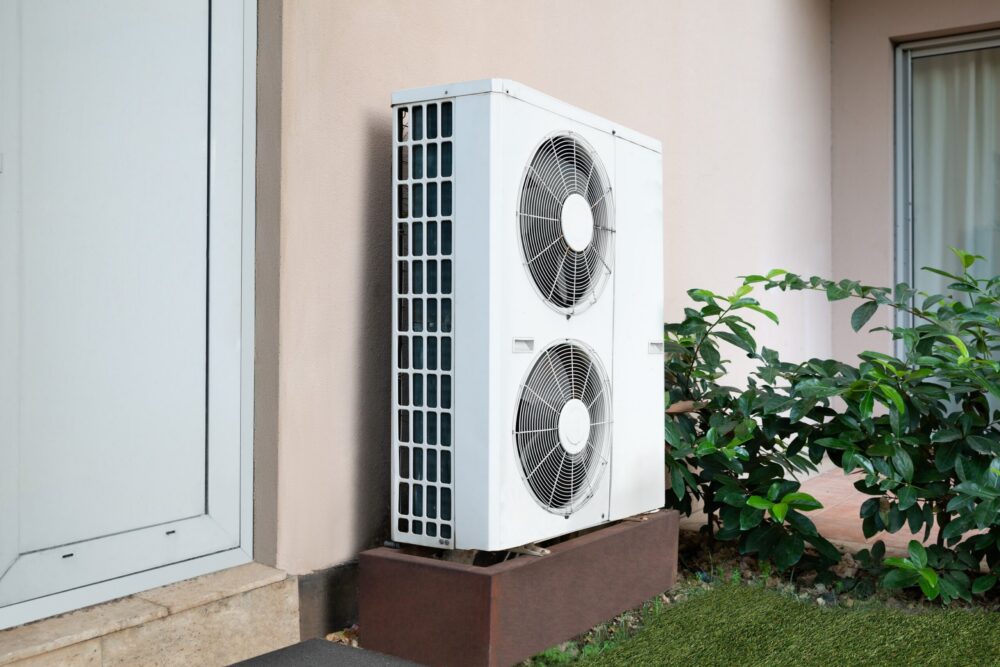

Are you trying to decide which type of HVAC system is right for your home, but are not sure what the differences are between the various options? Traditional HVAC systems have a central AC and either a gas or an electric furnace. The other option is a heat pump system, which is unique in that it can provide both cooling and heating. Keep reading to learn about how each type of system works and what factors you should consider when deciding which one is right for your home.
How Furnaces Work
Furnaces run on gas or electricity, and work by directly converting their energy source into heat. In an electric furnace, heat radiates off electric resistance coils to raise the temperature of the air flowing through the furnace. In a gas furnace, the hot combustion fumes produced by the gas burners flow through a series of metal tubes known as a heat exchanger. The fumes cause the metal to get extremely hot, and the heat radiating off the metal increases the temperature of the air flowing through the furnace somewhere between 30 and 80 degrees Fahrenheit.
Both types of furnaces have a blower, which is a fan that pulls air into the furnace through the return air ductwork. The blower then moves the heated air throughout the house via the supply ducts.
How Central AC Systems Work
Central AC systems cool by using a refrigerant chemical to transfer heat from inside the house to outside. Within the air handler unit is a component known as an evaporator coil. As cold refrigerant moves through this coil, it absorbs heat from the air that the blower draws over the coil.
The refrigerant then continues flowing to the outdoor condenser, where it’s compressed, causing it to boil and become extremely hot. It then flows through the condenser coil. As it moves through this coil, heat gets released into the air that the condenser fan blows over the coil. The refrigerant is much hotter than the air at this point. This results in the refrigerant again becoming cold enough that it can absorb heat when it gets pumped back inside and through the evaporator coil.
How Heat Pumps Work
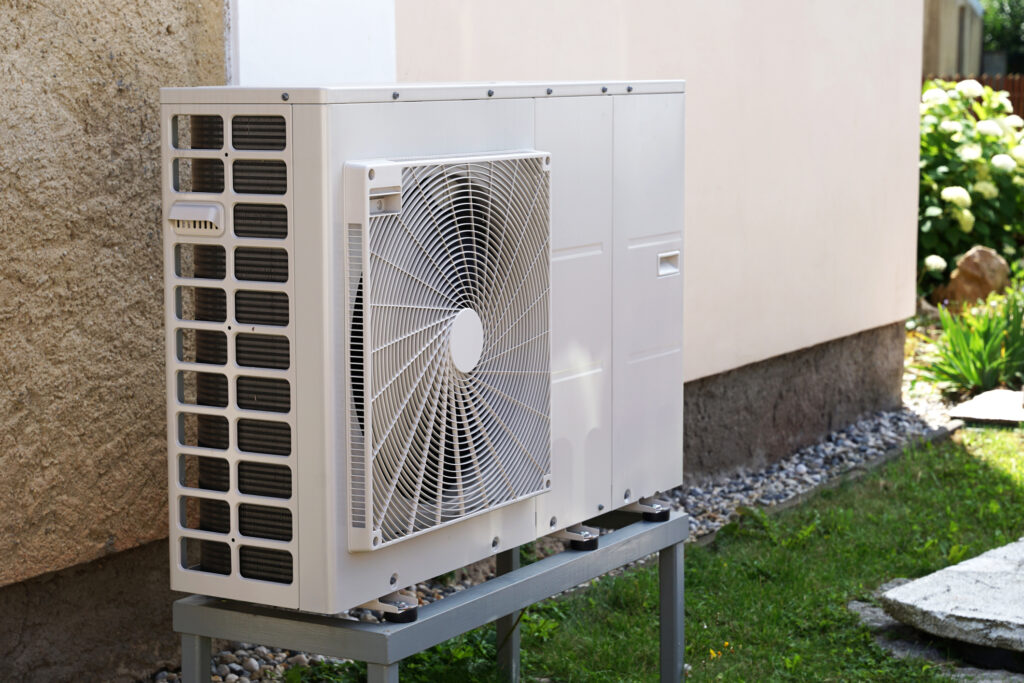
As with AC systems, heat pumps use refrigerant to transfer heat. The difference is that heat pumps have an additional component known as a reversing valve that allows the refrigerant to flow in either direction. When a heat pump is cooling, the heat transfer process works like it does in an AC system. When a heat pump is switched to cooling mode, the reversing valve activates, so the refrigerant flows in the opposite direction. This allows the system to capture heat from outside and then release it inside, raising the temperature of the air flowing through the air handler.
Which Option Is Most Energy Efficient?
When comparing cooling efficiency, there is no difference between ACs and heat pumps due to them working the same way. SEER2 ratings express how efficient cooling systems are, and an AC and heat pump with the same rating will use the same amount of energy.
Comparing heating efficiency is more complicated due to furnaces and heat pumps working in different ways. In optimal conditions, most heat pumps are between 300% and 400% efficient. That means they produce three to five times more heat energy compared to the amount of electrical energy they consume. Conventional gas furnaces are between 80% and 85% efficient, and condensing furnaces are between 90% and 98.5% efficient. If a furnace is 90% efficient, it means that 10% of the heat energy it produces flows outside through the exhaust flue and is wasted.
While heat pumps can be far more efficient than furnaces, they aren’t always. In freezing conditions, the efficiency of a heat pump greatly decreases because there is less heat in the air outside for the refrigerant to capture. If the outdoor temperature is below 20 degrees, a furnace will typically use less energy than a heat pump. A heat pump may technically still work more efficiently. However, it can’t heat nearly as quickly in cold temperatures and will need to run much more than a furnace.
Factors to Consider When Choosing an HVAC System
When deciding between a traditional HVAC system with a furnace and AC or a heat pump system, the main things to consider are the local climate and the cost of natural gas vs. electricity. In an area with milder winters, a heat pump is usually more cost-effective than a furnace. In colder climates where electricity rates are much higher than natural gas prices, your heating bills will usually be lower with a furnace.
HVAC maintenance is essential for ensuring effective performance, but it’s less of a factor when choosing the best system. Heat pump systems and traditional HVAC systems should receive maintenance twice a year, once in the spring and then again in the fall. Furnaces have slightly higher maintenance requirements overall, but not enough to make a big difference in the price of the service.
Winds of Valley is a leading provider of heating and air conditioning services in Groveton and the surrounding parts of Northern Virginia. We install furnaces, air conditioners, and heat pumps. Our experienced team can evaluate your home and advise you on which option will best meet your needs.
To get help selecting the right HVAC system for your home, contact us today.